
Netupitant/palonosetron in the management of concurrent chemoradiotherapy-induced nausea and vomiting in head and neck cancer patient
There is no excerpt because this is a protected post.
![Medical News Asia | Powered by ['mediPr]](https://medi-paper.com/wp-content/uploads/2020/02/MediPR-MediPaper-Medical-Communications-Ltd-Healthcare-Writers-Medical-Writers-Medical-Writer-Agency-Hong-Kong-Medical-Writing-Services-Solutions-Quote-醫學寫作-香港-醫學作家香港-medical-PR-public-relations-1030x374.png)
There is no excerpt because this is a protected post.

Ovarian cancer is the 8th most common cancer in women globally, with an age-standardised incidence rate of 6.7 per 100,000 in 2022.

Despite advances in treatment, nasopharyngeal carcinoma (NPC) remains a significant health burden. Recent trials presented by ASCO 2024 explore the new treatment alternatives and efficacy of therapies.
There is no excerpt because this is a protected post.
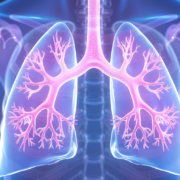
Lung cancer remains a leading cause of cancer-related deaths worldwide. Advances in targeted therapies improving the outcome for lung cancer patients were highlighted at the ASCO 2024 conference. A summary of clinical data, focusing on novel treatment options and new combination-therapies.

Hepatocellular carcinoma (HCC), is a devastating disease with limited treatment options. Recent trials presented by ASCO 2024 spotlight new findings on neoadjuvant immunotherapy, combination regimens for HCC, and efficacy of novel monotherapies.

There is no excerpt because this is a protected post.
Triple-negative breast cancer (TNBC) is a highly aggressive subtype of breast cancer characterised by the absence of oestrogen receptors (ER), progesterone receptors, and human epidermal growth factor receptor 2 (HER2) amplification.1,2 Representing about 10–15% of all breast cancer cases, TNBC is associated with poor prognosis and limited treatment options.2 Recent research findings presented at the 2024 American Society of Clinical Oncology (ASCO) meeting provided updates on new advances in the treatment of TNBC.
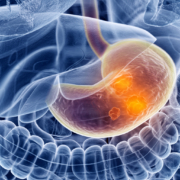
Gastrointestinal (GI) cancers remain a global health challenge, with ongoing research continually seeking to improve diagnostic and therapeutic strategies. The American Society of Clinical Oncology (ASCO) 2024 conference showcased several groundbreaking studies that leverage technological advancements; this piece examines three critical studies from the conference, emphasising their contributions to the advancement of the field.
There is no excerpt because this is a protected post.